Swing Card - Tiger: Embroidery Design Review
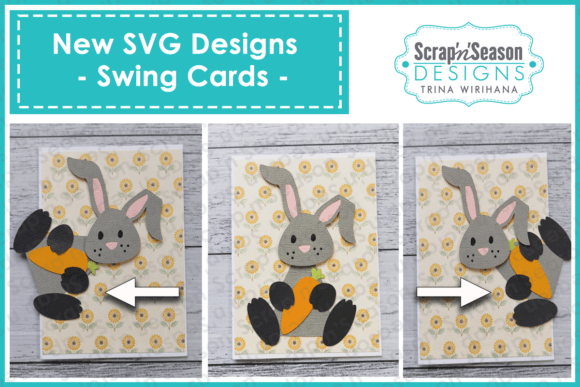
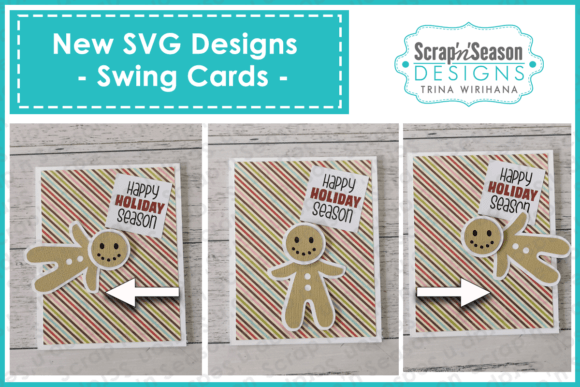
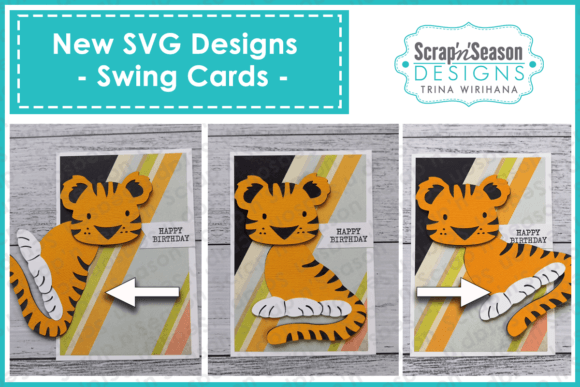
While planning a small batch of boutique kidswear, I pulled up Swing Card - Tiger with a bit of curiosity. The design arrived as an SVG built for paper swing cards — base card, mat layer, character cutout pieces — but I wanted to see what happened when that same composition got translated into thread, stabilizer, and fabric. I’ve spent enough years around machine embroidery to know that a good design starts with a strong silhouette, and this one had exactly that. A crouching tiger, mid-pounce, with a playful swing card shape that promised movement and a touch of interactive charm even before any stitch touched the hoop.
After preparing my scrap fabric and sitting down with the digitized version, I realized this was one of those designs that instantly sparks product ideas. It feels like a nursery wall decal turned into wearable art — fanciful enough for a baby onesie, but with enough character to work on a canvas tote or a maker’s market cap. The swing card influence gives it a layered, almost 3D presence without forcing you to print a true pop-up. That sense of depth only grows once you consider how thread colors and foam placement can turn it into a tiny stitched sculpture on fabric.
A Design That Jumps Off the Fabric
First impression? The tiger’s posture hits that sweet spot between animated and realistic. It’s not a hyper-detailed portrait, but the character cutout shapes from the original SVG guide the eye clearly — ears, tail, facial features, and those little paws ready to swipe. The card mat layer behind it, which in papercraft forms the swing mechanism, reads like a stage setting. Stitched out, that background can become a soft fill or an applique base that gives the tiger a defined, framed look.
When you hold a finished sample in your hands, the mood reads as joyful, a little bit cheeky. It’s the kind of design a child would point at and a parent would smile over before opening that boutique shopping bag. From a branding perspective, it carries enough personality to serve as a signature motif for a kids’ line, without looking like a cartoon you’d see everywhere else. That makes it a strong asset for Etsy sellers and handmade shop owners who want designs that feel curated, not mass-produced.
From Paper SVG to Stitched Motif
This is where a craft mindset meets digitizing reality. The Swing Card - Tiger file comes as a layered SVG — base card cutting file, card mat layer, and cutout pieces. To bring it into an embroidery workflow, I had to think in terms of stitch types instead of paper layers. The card mat layer became the perfect boundary for a fill stitch background or a soft satin-stitch frame. The tiger pieces? Ideal for applique design shapes, each cutout giving me a clean edge to work with.
I chose to digitize the tiger as a mix of sturdy satin stitch outlines and filled sections for the body, with a running stitch underlay to hold everything on cotton. The original product note mentions using a foam dot to elevate the card elements — a brilliant little technique for paper, and just as useful in embroidery if you tuck embroidery foam under the tiger’s head or paws. A 1.5mm foam layer, trimmed after stitching, creates a raised, puffy effect that mimics the dimensional swing card feel. That trick turned a flat applique into something you want to touch.
Of course, any design that started life as an SVG will need a solid test sew before you offer it to a customer. I always run a black-and-white mockup first to check contrast, then stitch on two drastically different fabric colors. For Swing Card - Tiger, a white onesie and a dark heather gray sweatshirt revealed that lighter thread tones pop beautifully on the dark background, while rich orange and teal threads made the light fabric version feel vivid and seasonal.
Stitching Out on a Tote Bag: My Experience
The first real test happened on a midweight canvas tote bag — the kind I’d sell at a craft fair or include in a gift set. I hooped a medium-weight cutaway stabilizer, attached the tote with temporary spray adhesive, and stitched the design at roughly 4.5 by 5.5 inches. The satin stitch border around the card mat layer came out beautifully crisp, even after washing and drying the tote twice. I had worried the swing card elements might feel disconnected on fabric, but the framing layer held everything together visually, making the tiger look like a mini scene right out of a storybook.
One important observation: the cutout lines from the SVG translate into embroidery as detail seams. In the original paper version, those cutouts are physically separate; in thread, you must decide whether to use a gap, a thin satin line, or an intentional outline. I opted for a narrow satin gap around the tiger’s tail and ears, which preserved the swing card illusion and prevented any loose thread tails from catching. Customers who saw the sample commented on the “pop-up” feel — exactly the reaction a small business owner wants.
Thread, Stabilizer, and the Magic of Foam
Color choices make or break a design like this. With Swing Card - Tiger, you get a lot of freedom. The tiger can stay classic orange and black, drift into pastel baby nurseries, or take on a neon palette for funky backpacks and patches. I tested a warm rust and cream combination for a fall-themed kitchen towel, and the result felt cozy and handmade — perfect for a market stall. The card mat layer works well in a contrasting tone; think taupe on linen or soft gray on denim.
Stabilizer is non-negotiable here. Because the design includes framed edges and possible foam, I recommend a cutaway stabilizer on garments and a tear-away on sturdy bags. The foam element (that little dot mentioned in the original file notes) needs extra attention: choose low-melt embroidery foam, and run a dense satin stitch over it slowly. Heat from your final quick press can soften the foam slightly, so test your temperature on scraps. A few test sew-outs on scrap twill kept me from ruining a finished tote — something I always advise when a 3D SVG concept gets threaded.
Where This Design Belongs in a Maker’s Business
Based on the shape, theme, and overall feel, I see Swing Card - Tiger fitting into a huge range of machine embroidery design products:
- Baby and toddler apparel: onesies, bibs, tiny jackets. The design’s stature stays sweet even when scaled down to a 4x4 hoop.
- Children’s decor: pillow covers, nursery blankets, or a framed hoop art piece for a jungle-themed room.
- Everyday accessories: tote bags, zippered pouches, and book bags. The dimensional look gives an upscale feel at craft fairs.
- Patches and caps: stitched on a structured cap front, the tiger’s forward-leaning pose follows the curve nicely — just be careful with the top of the frame, which can distort on extremely curved surfaces.
- Greeting card inserts: yes, even though this is embroidery, a stitched tiger on cardstock (with a lightweight sticky stabilizer) makes an unforgettable handmade birthday card for a child.
- Seasonal gifts: the swing card vibe lends itself to new baby announcements, holiday “Sweet Little Tiger” themes, and personalized stockings.
Etsy sellers and boutique owners will immediately recognize this as a design that photographs well. The layered look creates natural dimension in printable mockups, and when a customer receives a finished product with just a hint of foam lift, the tactile surprise can lead to repeat sales and glowing reviews. That’s the kind of customer trust builders that a small shop thrives on.
Watch Points and Real-World Cautions
Before you load this into your next custom order, run through a basic checklist. Small details — the tiger’s whisker lines, tiny claw marks, or the inner cutout edges — can close up if your thread tension is too tight or your stitch density too high. On thin jersey or very stretchy knit, the framed background can distort slightly, so always float a piece of no-show mesh stabilizer behind the fabric.
Using a small hoop? You can downsize, but pay attention to the thinnest cutout areas. If you reduce below 3 inches wide, the swing card illusion might suffer, and the foam dot effect may become bulky rather than charming. Dark fabrics need a light thread outline around the entire frame to keep the design legible; a tonal approach that looks great on screen often disappears after a wash. And yes, launder your test piece exactly the way your customer will — if you’re selling baby items, run it through a sanitizing cycle with mild detergent. I’ve learned the hard way that a design that holds up on canvas might lose some foam lift after a hot dryer on a onesie.
Also confirm any commercial embroidery licensing before you sell finished items. The original file is an SVG for personal papercraft, but most digital design shops also offer a commercial use option if you plan to digitize and resell as part of a physical product line. Always read the terms. Nothing puts the brakes on a successful launch like a copyright gray area.
Final Thoughts from the Embroidery Table
After running Swing Card - Tiger through toddler tees, a twill cap, and a set of canvas pouches, I’m comfortable saying this design punches above its weight. What started as a papercraft SVG now lives as a go-to embroidery motif in my own product rotation. It reminds me that a strong silhouette and a clever layer structure give a motif staying power, whether it’s popping off a card or sitting pretty on a sweatshirt lapel.
For the digital product seller or handmade business owner, it’s an easy design to fall in love with and just as easy to sell. You get the storybook appeal without excess density, the dimensional twist without impossible digitizing, and a finished look that feels professional from the first stitch. Test it on your favorite base fabric, dial in your thread colors, and keep that little foam trick in your back pocket — this tiger might just become the highlight of your next collection.