Xmas Box with Cutout Christmas Trees Lid: A Designer's Take
When I first opened the file for the Xmas Box with Cutout Christmas Trees Lid, I immediately felt that quiet, cozy Christmas mood that makes holiday crafting so rewarding. The silhouette of the cutout trees on the lid has a clean, recognisable shape—nothing overly fussy or complicated. As someone who has spent years working with both cutting machines and embroidery software, I know the difference between a design that only looks good on a screen and one that actually holds up in a finished product. This 3D SVG falls into the latter camp, and I want to walk through exactly why that matters if you are an embroidery designer, a small shop owner, or a maker who sells handmade holiday goods.
The first impression: quiet holiday charm without the clutter
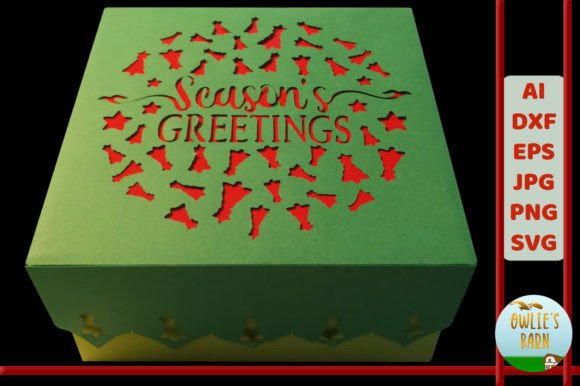
What struck me right away about the Xmas Box with Cutout Christmas Trees Lid is how the tree cutouts create a natural reveal. When the box is closed, those little negative-space trees hint at what might be inside. There is a soft, almost nostalgic feel to it—like something you would find in a small boutique at a Christmas market. The design does not scream for attention. It sits there, confident in its simplicity. For a maker who also does embroidery work, this kind of restraint is valuable. You do not want packaging or a companion product to overpower the embroidered gift it holds. This box complements rather than competes.
The dimensions—12x12x7 cm—are practical. That is a size I can picture holding a folded embroidered tea towel, a set of coasters, a small quilted baby bib, or even a personalised Christmas ornament wrapped in tissue. And because the description confirms it can be resized, the design becomes far more versatile than a single-size template. Whether you are cutting it on a Cricut, a Silhouette, or by hand with a sharp craft knife, the scalability is there.
Where a cutting design meets an embroidery business
I realise this is a 3D SVG, not an embroidery file. That distinction matters, and I want to be upfront about it. This is a digital cutting template, meant for paper, cardstock, or light chipboard. But here is the thing: if you run a craft business built around embroidery, products like this can fill a smart gap in your lineup. Imagine selling a set of embroidered napkins and presenting them inside this box at a craft fair. The customer sees the tree cutouts, peeks inside, and feels like they are unwrapping something special before they even get to the stitched piece. That layered experience—embroidery inside a thoughtfully chosen handmade box—can raise the perceived value of your work by a noticeable margin.
I used a similar approach last season when I made embroidered lavender sachets for a holiday market. I created simple paper boxes to display them, and the reaction was clear: people picked them up faster, asked more questions, and bought at a higher rate than when I laid the sachets flat on the table. The Xmas Box with Cutout Christmas Trees Lid would have saved me hours of design time. The tree motif already ties the product to Christmas visually, so you do not need to explain the theme. The box does that work for you.
Practical testing notes before you commit to a full batch
If you are going to use this box alongside your embroidery projects—whether for packaging, gifting, or as a standalone product—there are a few things I would recommend testing first. Cardstock weight makes a huge difference with 3D SVGs. Too light, and the box feels flimsy; too heavy, and the score lines might crack when you fold them. I would start with a medium-weight cardstock around 200–250 gsm and cut one test piece. Assemble it carefully and check how the lid sits over the base. The tree cutouts should align cleanly without tearing at the pointed edges of the trees.
Another practical note: if you plan to use this box to package embroidered items, consider lining the inside with a small square of tissue or a neutral fabric scrap. Embroidery thread can snag on paper edges, especially if the customer slides the item in and out repeatedly. A simple liner prevents that and adds another layer of polish.
For those who sell on Etsy or at local markets, think about how the box photographs. The cutout trees create a subtle play of light and shadow, which can look beautiful in flat-lay images or styled product shots. Try placing a warm fairy light inside the box before photographing it. The light spills through the tree cutouts and creates a glow that stops scrollers mid-feed. That is the kind of practical design detail that makes a product easier to market.
Where you need to be careful with the design
No design is perfect for every situation, and the Xmas Box with Cutout Christmas Trees Lid has its limits. The tree cutouts, while charming, mean the lid has open sections. If you are storing something that needs full protection from dust or moisture, this box will not seal completely. For embroidered garments like a sweatshirt or a baby onesie, I would still wrap the item inside a clear cellophane sleeve before placing it in the box. That keeps the stitching clean and gives the customer a hygienic unboxing experience.
The design also works best with materials that can hold a fold. Paper and light cardstock are ideal. Felt, foam, or fabric will not give you the same structural integrity unless you reinforce the panels. I would avoid trying to adapt this for thick or textured materials. The tree cutouts are the focal point, and they need a crisp edge to look sharp. On softer materials, those edges blur and lose their impact.
For embroidery business owners who sell internationally or ship orders, test one fully assembled box in a mailing envelope before committing. Check whether the corners hold up in transit and whether the lid stays secure. You may need a small adhesive dot or a thin ribbon band to keep the box closed during shipping. Little details like that matter when a customer opens their order and judges the quality of your work.
How this design fits into a handmade product lineup
The Xmas Box with Cutout Christmas Trees Lid works as more than just packaging. I have seen makers sell decorative boxes like this as standalone products—especially around the holidays. Fill it with a few chocolates, a small embroidered patch, a gift card, or a handwritten note, and you have a ready-to-gift item that requires almost no additional assembly. For a small shop, that is a high-margin product that takes minutes to produce once the cutting file is set up.
The Christmas theme is straightforward, but that is genuinely an advantage. Buyers looking for holiday packaging or seasonal gift boxes do not want something abstract. They want something that says Christmas in an instant. The tree silhouette does exactly that. It is a universally recognised shape, which means it appeals across different age groups and tastes. There is no cultural ambiguity, no confusing iconography. Just clean, seasonal design.
From a branding standpoint, if you emboss or stamp your shop logo on the bottom panel of the box, you create a subtle branded moment without cluttering the front-facing design. I have done this with small kraft boxes in the past, and customers often keep the box long after the gift is used. That extended brand presence is valuable for a small embroidery or craft business.
Real-life scenario: packaging embroidered ornaments
Let me give you a concrete example of how I would personally use this design. Every year, I embroider a small batch of personalised Christmas ornaments—usually simple snowflakes or monograms on felt, backed with coordinating fabric and finished with a satin stitch edge. I sell them at a local holiday market and through my Etsy shop. Packaging has always been a challenge. Plastic bags feel cheap. Simple boxes without any seasonal character feel like an afterthought.
The Xmas Box with Cutout Christmas Trees Lid solves that problem elegantly. I can size it slightly smaller to hold a single ornament nested in crinkled paper shreds. The tree cutouts give a preview of the holiday theme, and when the customer lifts the lid, the embroidered ornament sits inside like a little treasure. The box itself becomes part of the gift experience. I know from customer feedback that presentation matters—especially for holiday purchases where the item might be given directly to someone else without rewrapping.
Final thoughts from a working designer's perspective
What I appreciate most about the Xmas Box with Cutout Christmas Trees Lid is that it does not overpromise. It is a digital cutting file—cleanly designed, sensibly sized, and easy to adapt. It does what a good 3D SVG should do: it provides a reliable template that lets the maker focus on materials, finishing, and presentation rather than troubleshooting a complicated cut.
If you are an embroidery designer thinking about expanding into paper goods or elevating your product packaging, this is a design worth testing. Cut one in plain kraft cardstock first. See how it feels in your hands. Place one of your stitched pieces inside and look at the whole package as a customer would. If the combination feels right—if the box and the embroidery work together to tell a cohesive story—then you have found a small but meaningful way to strengthen your brand.
One last reminder: before using this in any commercial context, confirm the licensing terms with the design supplier. A 3D SVG used for physical products you sell at a market might fall under different rules than a design intended for personal use only. Most reputable sellers make this clear, but it is always better to check than to assume. Protect your business, keep your files organised, and always test a prototype before listing a new product.