3D Christmas Tree Box Template: Festive 3D SVG Shapes
First Impression: A Whimsical 3D SVG That Tells a Story
When I opened the 3D Christmas Tree Box Template, the first thing that struck me was its personality. The design wears its heart on its sleeve – a playful, almost cheeky handmade feel that instantly sets a light‑hearted editorial tone. It’s not just a graphic; it’s a little conversation starter. The seller’s voice echoes that energy: a note about “Hello Cookies, missed me already?” and a promise that this might be the last tree template for now. That kind of back‑story gives the asset warmth, which as a publisher you can channel directly into your brand identity and the visual communication of your content.
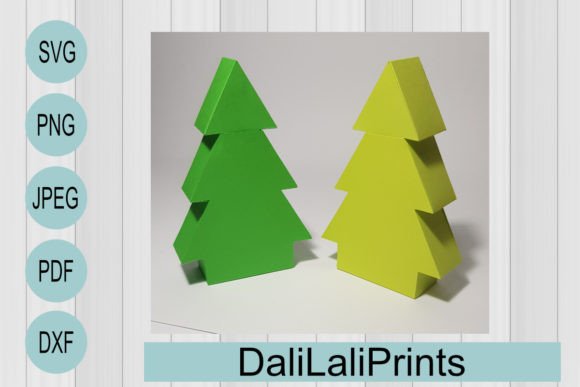
This 3D SVG sits perfectly inside the Shapes category, but it behaves more like an editorial element than a simple ornament. The box unfolds into a dimensional Christmas tree – crisp cut lines, subtle folding details, and a sense of depth that flat graphics simply don’t deliver. When you drop it onto a blog graphic or a newsletter header, it reads as thoughtful, handcrafted, and slightly unexpected. That’s exactly the kind of surprise that keeps readers scrolling.
Editorial Mood & Niche Alignment
As a blog designer, I’m always scanning how a graphic design asset will shape reader perception. This template creates a mood that’s equal parts festive, playful, and lifestyle‑focused. It leans feminine without being overly sweet, and crafty without feeling amateur. I immediately see it supporting content niches like:
- DIY and home crafting blogs
- Family lifestyle websites with holiday round‑ups
- Christmas recipe or printable planner posts
- Children’s activity and educational resources
- Small business branding for handmade shops
- Faith‑based digital guides with a cozy seasonal feel
If your blog’s visual system includes whitespace, pastel accents, or clean sans‑serif headlines, this tree box adds just the right amount of decorative charm without overwhelming the layout. For affiliate marketers promoting holiday decor or gift guides, it signals genuine, human‑curated content – a trust factor that editorial design can quietly reinforce.
Real Publishing Applications for Content Creators
Let’s step into a real morning in my own publishing workflow. I’m prepping a Christmas content round‑up: a blog post, four Pinterest pins, a downloadable checklist, and a matching newsletter banner. The 3D Christmas Tree Box Template goes straight into every single asset. Here’s how:
- Blog featured image: I place the tree box on a soft cream background with text overlayed in a modern serif. It instantly signals “seasonal” without using cliché red‑and‑green stock photos.
- Pinterest graphics: I duplicate the 3D shape, rotate slightly, and use it as a bold accent next to a list headline. The dimensional look grabs attention on a feed crowded with flat vectors.
- Newsletter header: At 600 px wide, the tree box becomes a friendly, clickable anchor that sits beside the email subject line preview, boosting familiarity.
- Printable guide: I embed the SVG inside a Canva‑based digital guide – a “12 Days of Christmas Crafts” lead magnet. The cut‑and‑fold concept ties perfectly to the printable format.
- Social media carousel: For an Instagram tips series, I use the template as a recurring branded element, creating a consistent visual hierarchy across slides.
What I love about this asset is that it works across so many content delivery channels without feeling repetitive. Because it’s an SVG, I can scale it infinitely, change colors, or extract the outline for a custom Canva template. It’s a shape that invites adaptation.
How This Design Asset Boosts Visual Performance
From an editorial design standpoint, the 3D Christmas Tree Box Template solves several quiet problems that kill content engagement. First, it creates a stronger first impression. In blog grids, a thumbnail with dimensional elements looks more professional and curated than generic winter imagery. That translates directly into better click‑through potential for archive pages and search results.
Second, it establishes clearer visual hierarchy. When I use it as an accent shape behind a title, the eye naturally moves from the dimensional tree to the headline. No extra arrows or borders needed. Third, it reinforces brand consistency. If you adopt this shape across a seasonal content series – say, “Christmas at Home 2025” – it becomes a subtle brand anchor your readers recognize, even before they see your logo.
I’ve also seen direct feedback from readers on PDF downloads. A digital guide that includes such a playful 3D element feels more like a gift than a data dump. Small touches like this increase time‑on‑page and reduce bounce, because visitors sense the publisher invested effort. In the world of affiliate content, that extra trust often tips the scale toward a click and a purchase.
Where the 3D Christmas Tree Box Template Shines
This asset performs best in contexts where you have a little breathing room. Think:
- Hero images on seasonal category pages or holiday landing sections
- Article thumbnails displayed large, such as those on a magazine‑style homepage
- Pinterest pins with tall 2:3 ratio – the 3D tree can claim the lower third while text sits above
- Blog graphic accents inside a post, breaking up long blocks of text
- Downloadable lead magnets like worksheets, checklists, or ebook covers
- Newsletter headers that appear above the fold on desktop
- Social media previews for Facebook or LinkedIn where a well‑composed image matters
In all these spots, the 3D SVG detail appears at a size where its folds and shadows read clearly. It helps position your content as polished yet approachable – perfect for small business branding and for creative entrepreneurs who sell physical or digital holiday products.
Where to Use It Cautiously
Like any decorative graphic design asset, this template isn’t a one‑size‑fits‑all solution. I’d be careful dropping it into:
- Small mobile thumbnails – at 150 px wide, the dimensional detail might blur into an unrecognizable blob. Always test at minimum display sizes.
- Text‑heavy blog images – if your graphic already contains a long headline, a bullet list, and a logo, adding the tree box could create visual chaos. Let it breathe.
- Low‑contrast backgrounds – the template’s paper‑like beige tones may fade on similar hues. Overlay a subtle shadow or tint it to maintain legibility.
- Serious professional niches – a corporate finance blog or a legal website might find the playful mood misaligned. Keep it for lifestyle, family, creative, and editorial content.
- Minimalist brand systems – if your entire site relies on stark monochrome and geometric shapes, this 3D tree could introduce an unwanted eclectic feel unless you intentionally pivot for the season.
These aren’t deal‑breakers; they’re just smart publisher guardrails. Knowing where a design asset doesn’t fit is as valuable as knowing where it does – it protects your brand identity and keeps your visual system cohesive.
Designer’s Checklist: Real‑World Publishing Tips
Before I upload any digital download to a live site, I run through a quick checklist. For the 3D Christmas Tree Box Template, pay special attention to:
- Device and screen size tests: Open your mockup on a phone, tablet, and laptop. Is the tree readable as a thumbnail? Does it dominate too aggressively on a small blog card?
- Headline contrast check: Place your article title in white, dark gray, and a bold color over the template. Try serif, sans serif, handwritten, and display fonts. The shape should support, not obscure, the copy.
- Black‑and‑white preview: Convert crisply to grayscale. If the tree turns into a flat gray mess, add a subtle outline or use a slightly darker tint for shape definition.
- File size and web performance: As an 3D SVG, the template itself is typically lightweight, but if you export large PNG composites, compress them properly. An 800 KB featured image is a loading speed quicksand.
- Commercial licensing review: Confirm you have a commercial license if you plan to use this on monetized websites, affiliate pages, paid printable design products, or client projects. Many marketplaces require an upgrade for unlimited print‑on‑demand or digital goods.
- Layout context test: Place the tree inside an actual blog template – with a navigation bar, sidebar, and related posts. Does it harmonize or fight with neighboring elements? I often screenshot the whole page and squint to evaluate visual weight.
These steps prevent that awkward moment when a lovely design asset looks pixelated, illegible, or off‑brand after publication. I cannot overstate the value of testing with real content.
Font Pairings That Elevate the 3D Shape
Playful yet polished is a tough line, but the right typography makes it seamless. I tested the 3D Christmas Tree Box Template with several font categories and here’s what worked best:
- Serif fonts (like Playfair Display): the tree’s handmade feel pairs beautifully with editorial serifs, creating a “magazine craft” aesthetic ideal for aspirational Christmas guides.
- Clean sans serif (Montserrat, Open Sans): this combination screams modern lifestyle blog. Use it for quick‑reading listicles and shopping round‑ups.
- Script or handwritten fonts: a light calligraphy title over the 3D shape amplifies the DIY, personal vibe. Keep the script short – a heading, not a paragraph.
- Display fonts (bold, condensed): excellent for Pinterest pins where you need maximum impact. The dimensional tree acts as a counterweight to heavy typography.
If your brand already leans on a signature typeface, drop the template behind a semi‑transparent text box. This keeps your identity intact while the 3D SVG adds texture and depth.
Affiliate Bloggers and Commercial Use Notes
For publishers working in affiliate marketing, every visual choice can influence conversion. The 3D Christmas Tree Box Template fits into a “giftable” content strategy: round‑up posts, holiday gift lists, seasonal printables, and sponsored Christmas guides. Its craftsman quality signals that you’ve curated, not just copy‑pasted. One caveat: if you embed the tree into product mockups or digital ads, double‑check the creative marketplace terms. Many designers allow personal and commercial design use, but broadcast‑use rights can vary. Always keep a record of your digital download license.
Small business owners selling physical Christmas crafts or boxes might be especially drawn to this template. It mirrors the very product they offer – a 3D box to cut and assemble – and used as a website header, it tells an instantly coherent story.
Integrating the 3D SVG into Your Content Toolkit
After working with this Shapes asset for an afternoon, I’ve already saved it into my core “Seasonal Graphics” folder. Its versatility goes beyond the obvious. Next week, I’ll use it inside a Canva template for a free holiday pack lead magnet, letting subscribers customize a thank‑you card complete with the 3D tree accent. I’ll also recolor it in soft icy blue for a winter wedding blog post that lives outside the strict Christmas window. That’s the power of a smart graphic design asset – it doesn’t lock you into one story.
The designer’s note – “According to my husband this I will try to make it the last for now” – adds a relatable, human hook. When you use this template in a live editorial project, you can lean into that backstory. A sentence in your intro like “We’ve been playing with a 3D box template that turns into the prettiest little Christmas tree” invites readers into your process. It’s content marketing that doesn’t feel like marketing.
Final Real‑World Takeaway
In a publishing landscape where scroll‑stopping visuals are no longer optional, the 3D Christmas Tree Box Template stands out as a creative, editorial‑grade asset. It delivers depth, flexibility, and a distinctive mood that can lift everything from a blog thumbnail to a digital guide cover. Yes, you need to use it intentionally – avoid cramped spaces and test across devices – but when you place it where it belongs, it rewards you with better engagement, stronger brand identity, and content that feels both festive and trustworthy.
For bloggers, digital marketers, online educators, and creative entrepreneurs building a warm, human‑centered website, this 3D shape is the kind of detail that pays compound interest in reader trust and click‑through potential. Just remember to grab the right commercial license, compress wisely, and let your headlines sing beside it. That’s how good design becomes great content.